
Getting to know Chardonnay
Written by
Some say if you don’t like Chardonnay, you just haven’t found the right style. But how true is that?
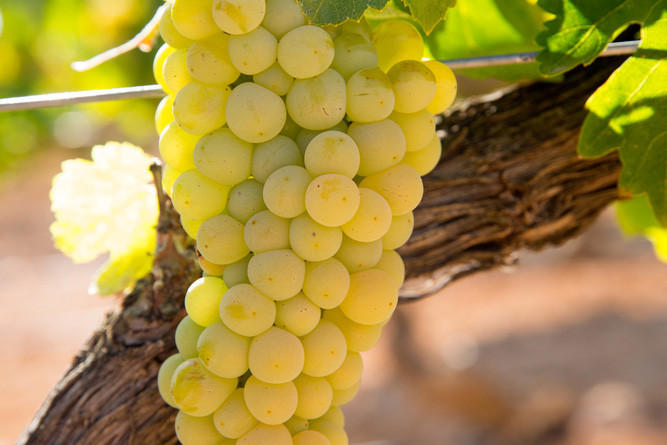
Known as a neutral grape variety (meaning it takes on the personality of the climate it grows in, or the winemaker who works with it), Chardonnay is a master of disguise. It can be bright and citrussy, with sharp acidity and light on its feet. Or it can be bold, rich, creamy to the point of feeling like melted butter, rich with toasty oak and nuts. Or everything in between. It can even be sparkling – but we’ll save that discussion for another time.
Chardonnay is moderately easy to grow, though it doesn’t love a cold spring (who does?). Hard frosts in April or October (depending on your hemisphere) may limit its potential to produce a bountiful crop of grapes. But, past this hurdle, it can thrive quite happily in climates as cold as, well, England and as warm as Riverina (one of the lesser-inhabited and often rather warm parts of Australia). As a result, this vine is planted all over the world, and I’ve had the pleasure of tasting examples from many a far-flung spot.
But with such variety, how do you choose an example you know you’ll like?
Bright, citrussy styles
The first question to ask is how much acidity you like. Chardonnay from cooler climates can be bracingly zesty, often accompanied by light flavours of lemon and a flinty, mineral note. Think Chablis (village level, as the Premiers and Grands Crus often have a little oak ageing) or really cool regions within Australia . The Yarra Valley has long been known for its flinty and lean Chardonnays, refreshing and pure in equal measure. One of my personal favourites comes from Tasmania , from the Tolpuddle vineyard (yes, named after the Tolpuddle martyrs. I’ll wait, while you zip off down a historical rabbit hole).
Rich, tropical wines
Warmer and slightly sunnier regions produce wines with less noticeable acidity and an altogether plumper character; rounded, soft and filled with peach, pear and tropical fruit flavours. Margaret River offers plenty of options in this style, as well as regions like Sonoma Coast in the US.
Ask how it’s been made
Chardonnay is exceptionally malleable. Unlike other white grapes (such as Sauvignon Blanc) that bristle when shoved into an oak barrel, Chardonnay will happily take on flavours of oak and yeast and allow them to integrate well with its natural fruit flavours. The key is understanding a little about what has happened to the wine.
Toasty oak and smoke
If you love toast, nuts and smoke flavours, with perhaps a hint of vanilla, then look for a wine that has been aged in some new oak barrels (“new” refers to them never having been used to age wine before). Producers such as Kumeu River in New Zealand or Ramey Wine Cellars in California use some new barrels to add toasty complexity to their wines, and a delicious nutty finish. Antinori’s Cervaro della Sala , from Umbria, is also a fine example with layers of toast and smoke alongside a rich and buttery texture.
Subtle nutty and bread flavours
Or, if you prefer subtle whisperings of nuts on the finish of your wine, choose one that’s seen some old oak (having held wine in previous years, these have lost most of their more obvious smoke flavour ). A Premier Cru Chablis such as Samuel Billaud’s Montée de Tonnerre would work well.
Other tricks in the winery include ageing the wine on its lees after fermentation for a little while, which lends the wine a very subtle hint of bread. It can also go through malolactic conversion (chuck that into your next dinner party conversation and watch everyone’s mouth’s drop with awe – or, more likely, boredom). This process adds a subtle creamy and buttery note to the wine. Examples include Ramey’s Californian Chardonnays – indulgent but still beautifully balanced.
Think about your food
Consider what you might pair this with. The smooth and sometimes buttery texture of Chardonnay can be a dream when paired with indulgent cream-based sauces, or even something as simple – and delicious – as mac and cheese. Meanwhile, the simple, clean stony notes of a village Chablis are ideal with freshly prepared seafood – the more pared-back, the better.